 11
11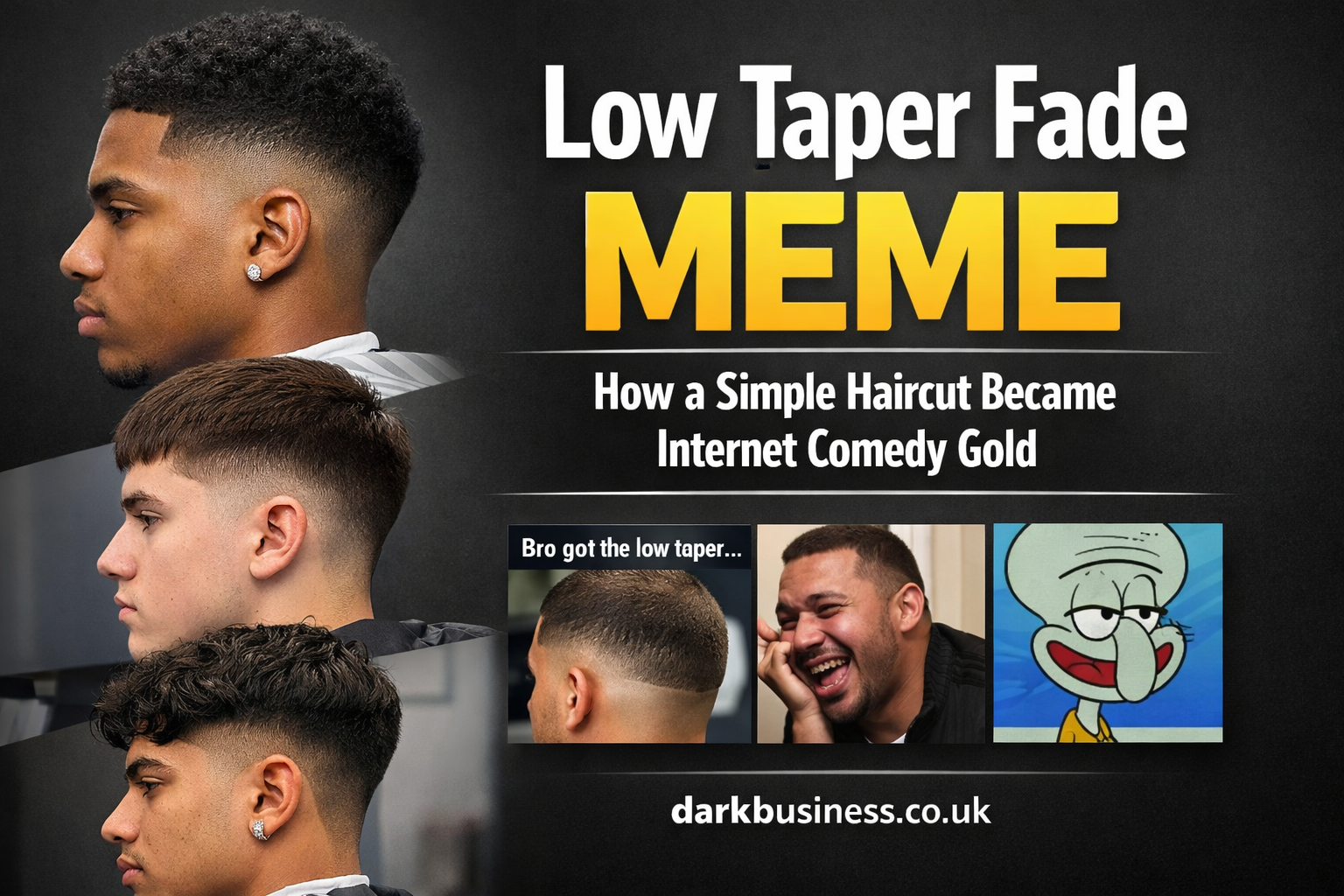
The internet has a unique way of turning everyday moments into viral sensations, and the low taper fade meme is a perfect example of this phenomenon. What began as a widely requested and respected haircut style slowly transformed into a running joke across social media platforms. At first glance, it may seem surprising that a haircut could spark such widespread humor, but when you consider how deeply grooming is tied to identity, confidence, and social perception, the meme’s popularity makes perfect sense.
In recent years, barber culture has gained massive visibility online. From haircut transformation videos to detailed fade tutorials, grooming content consistently performs well on platforms like TikTok and Instagram. Within this environment, the low taper fade stood out as a universally recognizable style. As more people shared their experiences—both good and bad—the low taper fade meme emerged as a humorous reflection of real-life barber chair expectations versus outcomes.
This article explores how the low taper fade meme originated, why it resonated with millions, and what it reveals about modern internet humor. By examining its cultural roots, viral growth, and long-term impact, we can better understand why this meme became more than just a joke and instead evolved into a digital commentary on style, identity, and relatability.
The low taper fade is a haircut defined by its subtle and gradual transition from longer hair on top to shorter hair around the sides and neckline. Unlike high or mid fades that create sharp contrasts, the low taper fade emphasizes cleanliness and refinement. It is often favored for its versatility, as it works well in both casual and professional settings. This universal appeal is one reason the style became so popular among diverse age groups and communities.
Culturally, the low taper fade has strong roots in barber shops that serve as social hubs, particularly in urban communities. These spaces are more than places to get a haircut; they are centers of conversation, storytelling, and shared experience. Over time, the low taper fade became associated with confidence, sharp presentation, and being “well put together.” This cultural weight made it a natural subject for humor when expectations did not meet reality.
The meme aspect emerged because of how commonly the haircut is requested. Many clients walk into a barber shop with high expectations fueled by social media images and celebrity inspiration. When the result differs—even slightly—it creates a relatable moment. The low taper fade meme capitalizes on this gap between idealized images and everyday outcomes, turning a shared grooming experience into comedic content that resonates widely.
The low taper fade meme began organically, with individuals sharing jokes, images, and videos about their haircut experiences. Early versions often featured captions comparing what someone asked for versus what they received. These posts quickly gained traction because they highlighted a situation almost everyone has experienced: miscommunication with a barber. The simplicity of the concept made it easy to replicate, which is a key factor in meme virality.
Social media platforms played a critical role in accelerating the trend. TikTok, in particular, allowed creators to add voiceovers, exaggerated reactions, and storytelling elements that enhanced the humor. Twitter and Instagram contributed by spreading image-based memes and short captions that were instantly shareable. As more people participated, the low taper fade meme evolved into multiple formats, from skits to reaction videos.
What truly pushed the meme into mainstream popularity was its relatability. Haircuts are universal, and the emotions tied to them—excitement, anxiety, disappointment, or pride—are widely shared. The meme did not rely on niche knowledge; instead, it tapped into a common human experience. This broad appeal allowed the low taper fade meme to transcend age, geography, and cultural background.
As the low taper fade meme spread, it began to adapt to the unique cultures of different platforms. On TikTok, creators leaned into storytelling and performance, often reenacting barber shop conversations or dramatizing the reveal of a haircut. Instagram favored visual humor, using side-by-side images or short reels that highlighted subtle differences in fades. Twitter thrived on witty one-liners that turned the haircut into a punchline.
The meme also evolved across cultures, with regional slang and humor influencing how it was presented. In some communities, the joke focused on overconfidence after a fresh cut, while in others it highlighted disappointment or exaggerated swagger. This adaptability allowed the low taper fade meme to remain fresh and relevant as new variations emerged.
Over time, the meme became self-aware. Creators began poking fun at the meme itself, acknowledging its popularity and saturation. This meta-humor extended its lifespan, as audiences enjoyed seeing the trend reflect on its own success. The evolution of the low taper fade meme demonstrates how internet culture continuously reinvents familiar ideas to maintain engagement.
The popularity of the low taper fade meme had tangible effects on real-world grooming trends. Barbers reported an increase in clients requesting the style, often referencing memes or viral videos as inspiration. In some cases, barbers even incorporated the meme into their marketing, using humor to connect with younger audiences and showcase their skills.
However, the meme also highlighted challenges within barber-client relationships. Unrealistic expectations, often shaped by heavily edited images online, became a recurring theme. The low taper fade meme humorously exposed these issues, sparking conversations about communication and trust in the barber chair. In this way, the meme served both as entertainment and social commentary.
Beyond barber shops, the meme influenced how people talk about grooming online. Haircuts became part of broader discussions about identity, confidence, and self-expression. The low taper fade meme transformed a routine personal care activity into a shared cultural narrative, reinforcing the idea that grooming is as much about storytelling as it is about style.
Despite its popularity, the low taper fade meme has not been without criticism. Some argue that certain versions rely on stereotypes or exaggerated portrayals that can be misinterpreted. As with many viral trends, the line between humor and offense can sometimes blur, leading to debates about cultural sensitivity and representation.
Another point of criticism is meme fatigue. As the trend grew, some audiences began to feel oversaturated, with similar jokes appearing repeatedly across platforms. This repetition led to a natural decline in novelty, prompting creators to either innovate or move on to new trends. Meme lifecycles are often short, and the low taper fade meme is no exception.
However, these criticisms also highlight the maturity of online audiences. Viewers are increasingly aware of how memes shape perceptions and conversations. The discussions surrounding the low taper fade meme demonstrate a growing understanding of internet culture as a powerful social force rather than just fleeting entertainment.
The future of the low taper fade meme depends largely on how it continues to evolve. While its peak virality may pass, elements of the meme are likely to resurface in new forms. Internet culture often recycles familiar ideas, giving them fresh context through new platforms or trends.
Even if the meme fades from daily timelines, its impact will remain. It represents a moment when grooming culture and online humor intersected in a meaningful way. The low taper fade meme also paved the way for other haircut-related jokes, proving that personal style can be a powerful source of collective humor.
In the broader scope of internet history, the meme stands as an example of how small, everyday experiences can become cultural touchstones. Its legacy lies not just in laughs but in its reflection of how people connect through shared moments of vulnerability and self-expression.
The low taper fade meme illustrates the internet’s ability to transform ordinary experiences into cultural phenomena. What started as a popular haircut evolved into a widespread joke that resonated across platforms and communities. Through humor, relatability, and creativity, the meme captured the essence of modern digital storytelling.
By examining its origins, evolution, and impact, we see that the low taper fade meme is more than a trend. It is a reflection of how identity, grooming, and humor intersect in the online world. Whether remembered as a viral highlight or a stepping stone to future trends, its influence on internet culture is undeniable.
What is the low taper fade meme?
It is a viral internet trend that humorously depicts experiences, expectations, and reactions related to the low taper fade haircut.
Why did the low taper fade meme become so popular?
Its popularity stems from relatability, widespread haircut culture, and the ease with which people could recreate and share similar experiences.
Is the low taper fade meme based on real experiences?
Yes, most versions are inspired by genuine barber shop interactions and haircut outcomes.
Which platform made the low taper fade meme viral?
TikTok played a major role, though Instagram and Twitter also contributed significantly.
Are low taper fade memes still trending?
While not at peak popularity, variations of the meme still circulate online.
Do low taper fade memes influence real haircut trends?
Yes, they have increased awareness and demand for the style while shaping expectations around grooming.
Also Read: fenix 7s pro