
 11
11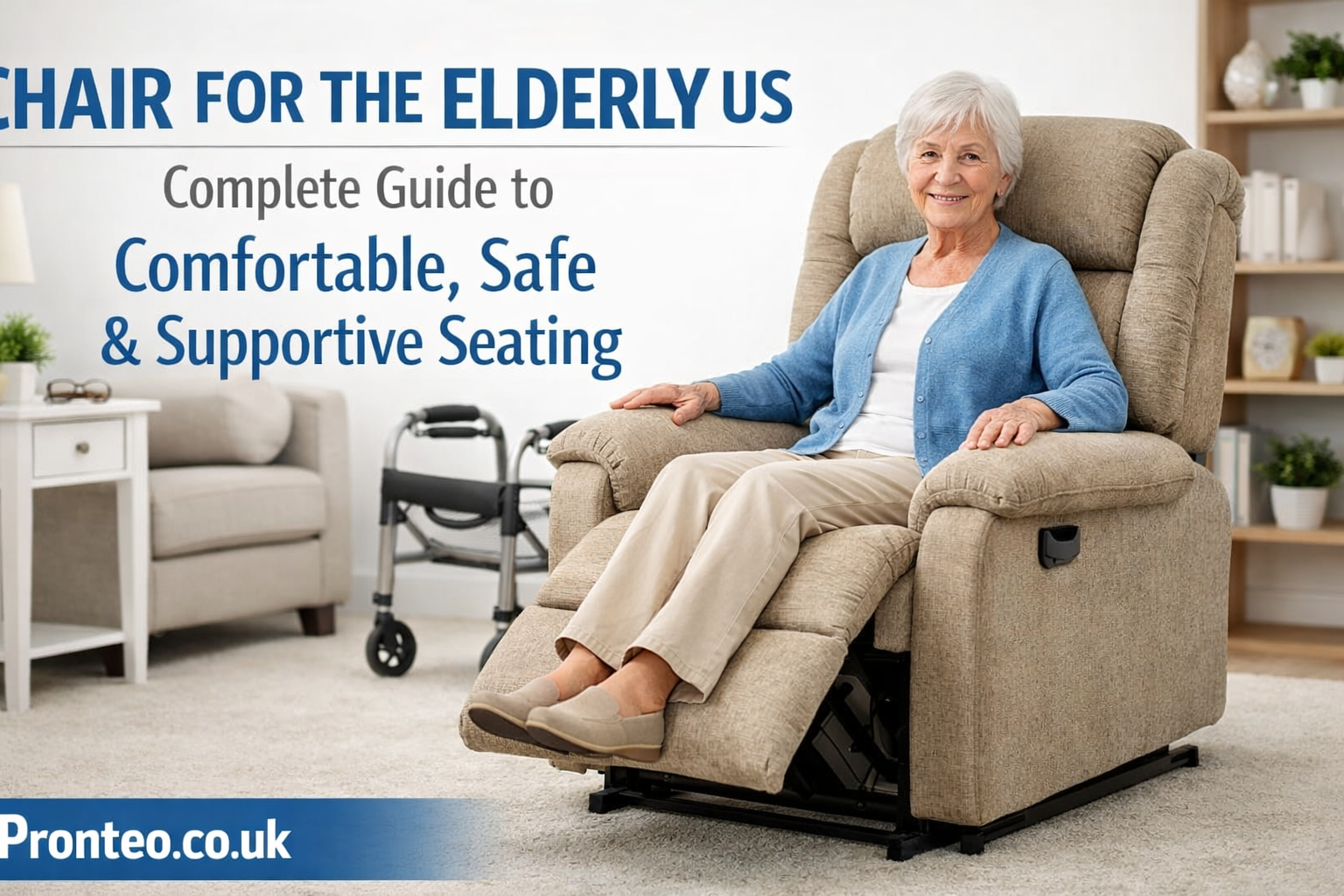
chair for the elderly us As the population of older adults continues to grow across the United States, the demand for age-friendly home furniture has increased significantly. One of the most important yet often overlooked pieces of furniture is a chair for the elderly US market. For seniors, a chair is not just a place to sit—it is a daily support system that affects mobility, comfort, safety, and independence. Choosing the right chair can dramatically improve quality of life, while the wrong one can contribute to discomfort, falls, and long-term health issues.
Unlike standard seating, chairs designed specifically for elderly users address age-related challenges such as joint stiffness, reduced muscle strength, balance issues, and chronic pain. These chairs are built with thoughtful features like higher seat heights, sturdy armrests, ergonomic support, and enhanced stability. In the US, where many seniors prefer to age in place, investing in the right chair is a practical and proactive decision for both seniors and caregivers.
This in-depth guide explores everything you need to know about choosing the best chair for the elderly in the US. From understanding senior needs and exploring different chair types to evaluating key features, benefits, and buying tips, this article provides a complete roadmap to help you make an informed, confident decision.
Aging naturally brings physical changes that directly impact how seniors sit, stand, and move throughout the day. Reduced joint flexibility, muscle weakness, arthritis, and balance problems can make traditional chairs uncomfortable or even dangerous. Many older adults struggle with low seat heights, soft cushions that are difficult to rise from, or chairs without proper arm support. These challenges may seem minor but can significantly affect daily comfort and independence.
Standard chairs are typically designed for average adults and do not account for the unique needs of elderly users. For seniors, sitting down too low can strain knees and hips, while standing up without support increases the risk of falls. Poor back support can worsen posture-related pain, leading to discomfort that affects sleep, mood, and overall well-being. Over time, improper seating may even contribute to long-term mobility decline.
Specialized elderly chairs are designed to address these exact concerns. They provide proper posture alignment, stable support, and ease of movement. By reducing physical strain and increasing safety, the right chair empowers seniors to maintain independence and confidence in their own homes. For caregivers, it also means fewer lifting injuries and less daily assistance required.
The US market offers a wide range of chair options tailored specifically for elderly users, each designed to meet different needs and living situations. Lift chairs and power recliners are among the most popular choices. These chairs use motorized mechanisms to gently lift the user into a standing position or lower them into a seated one. They are especially beneficial for seniors with limited leg strength, arthritis, or post-surgery recovery needs.
Recliner chairs for seniors provide comfort and relaxation while maintaining ergonomic support. Unlike standard recliners, senior-friendly models often feature firmer cushions, supportive backrests, and easy-to-use controls. These chairs are ideal for extended sitting, reading, watching television, or resting during the day. Many models also include heat and massage functions for pain relief.
Other important categories include dining and everyday seating chairs, which are designed for stability, proper height, and arm support during meals and daily activities. Bathroom and shower chairs focus on safety in wet environments, offering non-slip materials and corrosion-resistant frames. For seniors with advanced mobility limitations, manual or powered wheelchairs provide essential support and freedom of movement. Each type serves a specific purpose, making it crucial to choose based on individual needs.
When selecting a chair for the elderly us, features matter more than aesthetics. Ergonomic design is essential, as it supports the spine’s natural alignment and reduces pressure on joints. Lumbar support, firm yet comfortable cushioning, and appropriate seat depth help prevent slouching and back pain. A well-designed chair encourages healthy posture even during long periods of sitting.
Safety and stability features are equally important. Non-slip feet, solid frames, and balanced weight distribution reduce the risk of tipping or sliding. Chairs with armrests provide leverage for standing and sitting, which is critical for seniors with limited strength. Weight capacity should always be checked to ensure durability and long-term reliability.
Ease of use is another key consideration. Chairs with simple controls, smooth reclining mechanisms, or swivel bases can make daily use more comfortable. Materials should be breathable, easy to clean, and gentle on sensitive skin. In the US, many seniors prefer durable fabrics or leather alternatives that combine comfort with low maintenance.
Choosing the right chair begins with assessing individual needs. Mobility level, height, weight, and medical conditions such as arthritis or back pain should guide the selection process. In many cases, healthcare providers or physical therapists can offer valuable recommendations based on specific health concerns.
Proper measurements are essential. Seat height should allow the user’s feet to rest flat on the floor, while seat depth should support the thighs without pressing against the knees. The surrounding space in the home should also be considered, especially for lift chairs that require extra clearance. Ignoring dimensions can lead to discomfort or limited functionality.
Budget is another important factor in the US market. While elderly chairs range from affordable to premium, it’s important to focus on value rather than price alone. A quality chair with a solid warranty and durable construction often saves money in the long run. Seniors and caregivers can purchase chairs through online retailers, medical supply stores, or specialized furniture outlets across the US.
Investing in the right chair for the elderly offers both immediate and long-term benefits. Comfort is the most noticeable improvement, as proper support reduces pain in the back, hips, and knees. Seniors can sit for longer periods without discomfort, making daily activities more enjoyable.
Independence is another major advantage. Chairs that assist with standing and sitting reduce reliance on caregivers and boost confidence. This independence positively affects mental health, promoting dignity and self-esteem. For caregivers, the right chair minimizes physical strain and lowers the risk of injury.
Over time, supportive seating contributes to better posture, improved circulation, and reduced fall risk. These benefits directly enhance overall well-being, making elderly chairs a practical investment in healthy aging rather than just a piece of furniture.
Proper maintenance ensures that a chair for the elderly remains safe and functional for years. Regular cleaning helps maintain hygiene and prevents fabric deterioration. Chairs with removable covers or wipe-clean materials are especially convenient for seniors.
Safety checks should be performed periodically. This includes tightening screws, checking stability, and ensuring that mechanical components function smoothly. For electric or lift chairs, cords and motors should be inspected regularly to avoid malfunctions.
Knowing when to replace a chair is equally important. If cushions lose firmness, frames wobble, or controls become unreliable, it may be time for an upgrade. Proactive maintenance and timely replacement ensure continuous comfort and safety.
Choosing the right chair for the elderly US market is a meaningful step toward improving comfort, safety, and independence for seniors. With thoughtful design, supportive features, and proper functionality, elderly chairs address the unique challenges of aging. From lift chairs to everyday seating, the right choice can significantly enhance daily life while reducing caregiver strain.
By understanding senior needs, exploring available options, and focusing on quality and fit, families can make informed decisions that support healthy, dignified aging. A well-chosen chair is not just furniture—it is a foundation for comfort, confidence, and well-being.
What is the best chair for the elderly in the US?
The best chair depends on mobility needs, but lift chairs and ergonomic recliners are among the most popular options.
Are lift chairs covered by insurance or Medicare in the US?
In some cases, Medicare may cover the lift mechanism portion if medically necessary.
What seat height is ideal for elderly users?
Most seniors benefit from a seat height between 18 and 20 inches, depending on their height.
How much does a chair for the elderly typically cost in the US?
Prices range from budget-friendly options under $300 to premium lift chairs over $1,500.
Can elderly chairs help with back and joint pain?
Yes, chairs with proper ergonomic support can significantly reduce pain and discomfort.
What safety features should I prioritize?
Look for armrests, non-slip feet, stable frames, and easy-to-use controls.
How long do chairs for the elderly usually last?
With proper care, quality chairs can last 5–10 years or more.
Are there chairs designed for small spaces?
Yes, many compact recliners and wall-hugger lift chairs are ideal for apartments and small rooms.
Also Read: neck gaiter