 11
11The Mercury Mountaineer holds a unique place in American automotive history. Introduced as a luxury mid-size SUV, it combined rugged performance with upscale features, appealing to drivers who sought both capability and comfort. Over its production years, the Mountaineer earned a reputation for durability, versatility, and a driving experience that balanced refinement with off-road readiness. Whether you’re exploring the used car market or researching SUV history, understanding the Mountaineer’s evolution offers valuable insights into American automotive trends.
The Mercury Mountaineer debuted in 1997, positioned as a premium counterpart to the Ford Explorer. Unlike its sibling, it emphasized luxury interiors, advanced safety features, and higher-end design elements. The SUV catered to families and adventure-seekers, offering multiple trims, drivetrain options, and engine choices. Its blend of performance and comfort made it a competitor in a crowded mid-size SUV segment during the late 1990s and 2000s.
With its distinctive styling and upscale finishes, the Mountaineer stood out from other SUVs. It offered optional third-row seating, leather upholstery, and premium audio systems, which were rare in many SUVs of the time. These features solidified its position as a luxury-oriented SUV while maintaining the practical versatility drivers expected from an American SUV.
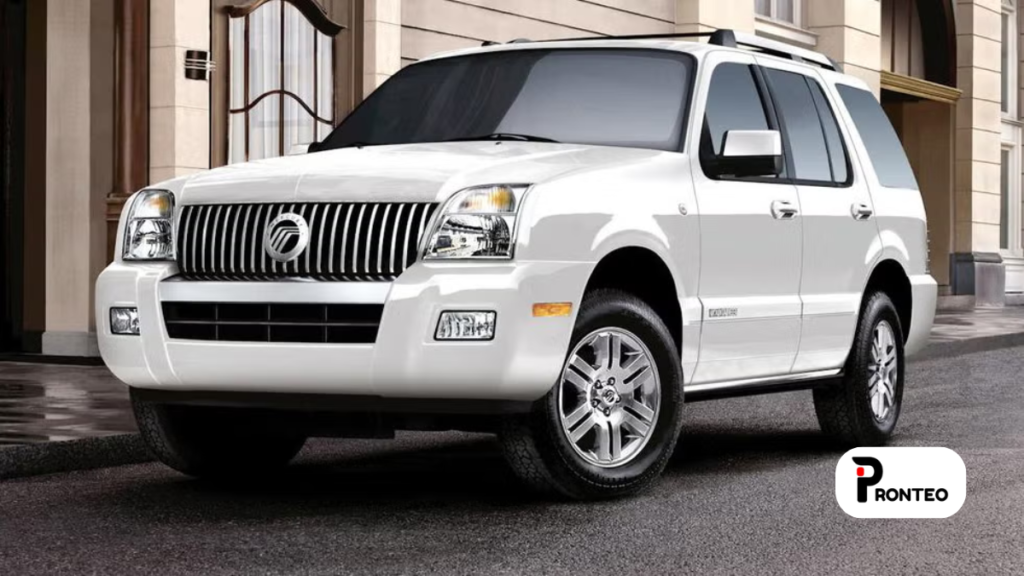
The Mercury Mountaineer came with various engine configurations throughout its production, including V6 and V8 options. Early models typically featured a 4.0L V6, delivering a balanced combination of power and fuel efficiency. Later generations offered a 4.6L V8, producing robust horsepower and torque suitable for towing and off-road excursions.
Transmission systems evolved alongside engines, with automatic transmissions becoming standard. Four-wheel-drive variants enhanced the Mountaineer’s capability for challenging terrains. Overall, the vehicle provided a responsive driving experience, combining reliable engine performance with smooth handling—a characteristic praised by automotive reviewers.
Inside, the Mountaineer offered a refined cabin experience that rivaled higher-end luxury SUVs. Leather seating, wood trim, and intuitive controls created an environment designed for comfort and convenience. Standard and optional features varied by model year and trim, with advanced audio systems, dual-zone climate control, and power-adjustable seats available on higher trims.
Passenger space was generous, and the optional third-row seating provided flexibility for families. Interior storage solutions, foldable seats, and thoughtful design details enhanced practicality without sacrificing the premium feel. For many owners, the Mountaineer’s cabin combined utility with upscale comfort, making long drives both enjoyable and stress-free.
The Mercury Mountaineer emphasized driver and passenger safety. Standard safety features included anti-lock brakes, airbags, and traction control, while later models incorporated side-impact airbags and electronic stability systems. These advancements reflected growing industry standards and Mercury’s commitment to occupant protection.
Insurance Institute for Highway Safety (IIHS) and National Highway Traffic Safety Administration (NHTSA) ratings consistently placed the Mountaineer above average in safety for its class. Drivers could rely on a combination of structural integrity, safety systems, and responsive handling to mitigate potential hazards on the road.
Fuel efficiency for the Mountaineer varied depending on engine choice and drivetrain configuration. V6 models generally achieved higher miles per gallon (mpg) than the V8 variants, which prioritized power over fuel savings. City and highway ratings typically ranged from 15–18 mpg in urban settings to 20–22 mpg on highways.
Despite not being the most fuel-efficient SUV in its class, the Mountaineer’s performance justified the consumption for many buyers. Those seeking a balance between capability and moderate efficiency found the V6 variants particularly appealing. Fuel economy remained a key consideration for families and daily commuters alike.
Over its production span, the Mercury Mountaineer underwent several design updates. The first-generation models (1997–2001) featured rounded edges, a signature grille, and luxury-oriented interior appointments. The second generation (2002–2005) introduced sleeker lines, modernized lighting, and enhanced safety systems.
By the third generation (2006–2010), the Mountaineer embraced a more muscular stance with bolder front fascia, improved interior technology, and increased cargo capacity. Each generation reflected evolving consumer preferences, blending luxury, functionality, and brand identity. Its design legacy remains influential among enthusiasts and collectors.
| Feature | Mercury Mountaineer | Ford Explorer | Jeep Grand Cherokee | Toyota 4Runner |
| Engine Options | V6, V8 | V6, V8 | V6, V8 | V6, V8 |
| Luxury Features | Leather, wood trim, audio | Cloth/Leather | Cloth/Leather | Cloth/Leather |
| Towing Capacity (max) | 6,500 lbs | 5,000 lbs | 7,200 lbs | 7,300 lbs |
| Drivetrain | RWD, AWD, 4WD | RWD, AWD, 4WD | RWD, 4WD | 4WD |
| Third-Row Seating | Optional | Optional | Optional | Optional |
| Safety Rating (IIHS) | Good | Good | Good | Good |
| MPG (City/Highway) | 15/20 | 16/21 | 14/20 | 15/19 |
This table highlights the Mountaineer’s balance between luxury, performance, and practicality compared to its competitors. Its combination of features and brand positioning made it a notable choice for mid-size SUV buyers.
Owners of the Mercury Mountaineer report generally strong reliability, with routine maintenance keeping the SUV in excellent condition for over a decade. Common service tasks include oil changes, brake inspections, and occasional transmission maintenance, particularly for higher-mileage models.
Despite its age, the Mountaineer benefits from a broad network of replacement parts due to its Ford Explorer platform. This availability reduces repair costs and ensures that maintenance is accessible for owners. Proactive care can keep the SUV performing at peak levels for years.
The Mercury Mountaineer holds reasonable value in the used car market, appealing to buyers seeking a luxury SUV at a more affordable price. Depreciation rates are moderate, with well-maintained models retaining value due to brand reputation and durable construction.
Potential buyers should consider mileage, service history, and trim levels when evaluating a used Mountaineer. Optional features, such as third-row seating and V8 engines, can increase desirability and resale value. Overall, the SUV provides a cost-effective entry point into luxury mid-size SUVs.
During its production years, the Mountaineer carved out a niche among American families and adventure enthusiasts. Its combination of luxury and utility made it a symbol of suburban SUV culture, bridging the gap between rugged vehicles and refined driving experiences.
Automotive magazines frequently highlighted the Mountaineer for its comfort, design, and versatility. As a discontinued brand, Mercury now carries a nostalgic appeal, with enthusiasts appreciating the Mountaineer’s unique place in the SUV landscape. As one reviewer stated, “The Mercury Mountaineer wasn’t just a vehicle—it was a statement of comfort and capability in one package.”
The Mercury Mountaineer remains a standout example of American mid-size SUVs that successfully blended luxury, performance, and practicality. Its design evolution, robust performance options, and emphasis on passenger comfort make it a compelling choice for enthusiasts, families, and collectors alike. Understanding its features, reliability, and market presence positions buyers and enthusiasts to fully appreciate the Mountaineer’s lasting legacy in automotive history.
The Mercury Mountaineer was produced from 1997 to 2010, spanning three generations with significant updates in performance, safety, and luxury features.
The Mountaineer is generally reliable, especially with regular maintenance. V6 and V8 engines perform well, and parts are widely available due to its shared platform with the Ford Explorer.
Depending on engine and drivetrain, the Mercury Mountaineer can tow up to 6,500 pounds, making it suitable for boats, trailers, and recreational vehicles.
Yes, the Mountaineer was positioned as a luxury SUV, offering leather seats, premium audio, wood trim, and advanced interior features not standard in many competitors.
The Mountaineer shares many mechanical components with the Explorer but emphasizes luxury features, upscale interiors, and distinctive styling for a more premium experience.
Also Read: glendale galleria