 11
11
The PGA LIV merger has become one of the most discussed topics in professional golf, sparking debates among fans, players, executives, and regulators around the world. This once‑in‑a‑generation development — involving the historic PGA Tour, its rival LIV Golf backed by Saudi Arabia’s Public Investment Fund (PIF), and the European DP World Tour — challenged longstanding traditions in the sport. What started as a bitter rivalry over top talent and billions in financial incentives eventually evolved into discussions about unifying the competitive landscape of men’s golf.
This comprehensive article examines the PGA LIV merger from every angle: history, business structure, legal hurdles, player reactions, economic impact, and future scenarios. Whether you’re a die‑hard golf fan, industry insider, or curious reader, this guide delivers authoritative analysis, contextual nuance, and strategic insights you won’t find in typical news coverage.
The PGA LIV merger refers to the announced agreement in June 2023 between the PGA Tour, the Saudi‑backed LIV Golf series, and the European DP World Tour to combine their commercial rights and operations under a new, collectively owned commercial entity. The goal was to unify the fractured landscape of men’s professional golf after years of intense competition and legal battles.
In practical terms, the deal aimed to end litigation between the tours, create pathways for players who defected to LIV to return to PGA and DP World events, and attract substantial capital investments — most notably from the PIF. However, deeper into 2025 and 2026, progress on formalizing this merger has stalled, with ongoing negotiations, regulatory scrutiny, and internal disagreements reshaping expectations on what the future structure will look like.
The roots of the PGA LIV merger trace back to 2022, when LIV Golf debuted as a competitor to the PGA Tour, offering major stars massive guaranteed contracts. LIV’s entry fundamentally shifted the power dynamics in professional golf, with some top players defecting from the PGA Tour for more lucrative deals.
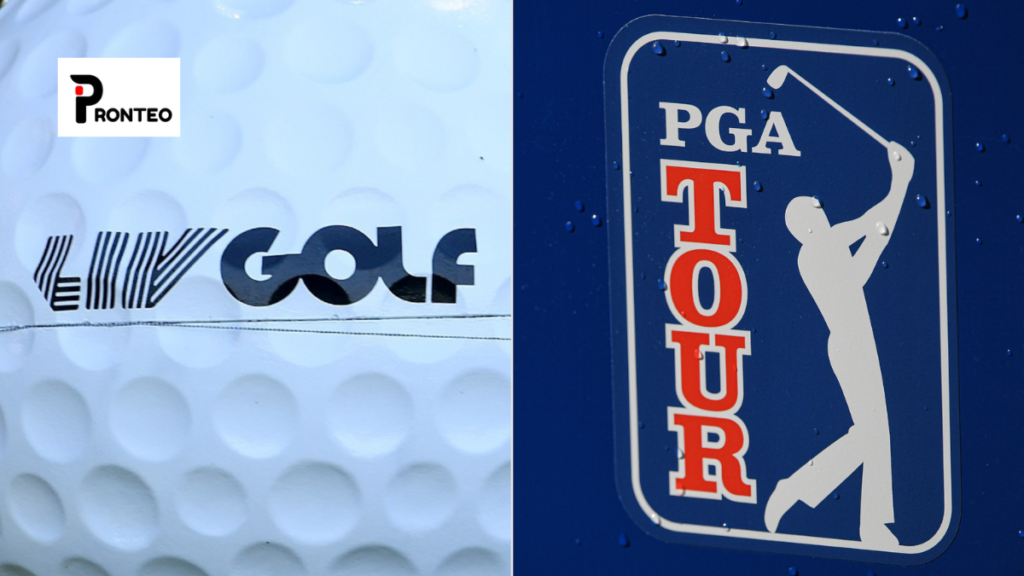
This triggered a fierce reaction from the PGA, which enforced bans and suspensions on players who participated in LIV events without permission. Simultaneously, LIV and several players filed antitrust lawsuits against the PGA Tour, accusing it of anti‑competitive conduct — escalating a bitter feud that captivated the golf world and set the stage for merger efforts.
When the PGA LIV merger was first announced, its architecture contained several key components:
These elements were designed to bridge long‑running divisions and bring golf’s elite players back into a more unified competitive environment.
| Element | Original Agreement Vision | Current Status & Challenges |
| New commercial entity | Combine PGA, LIV, DP World Tours | Talks slowed; structure evolving |
| Capital investment | PIF funding major investment | Secured, but raises regulatory questions |
| Player eligibility | LIV golfers repatriated | Complex negotiations, not finalized |
| Legal disputes | End litigation | Cases dropped in some jurisdictions |
| Governance | Shared board with PGA majority | Negotiations ongoing |
| Antitrust review | Expected | DOJ & international scrutiny |
This table highlights how foundational terms of the PGA LIV merger have faced friction points — particularly around governance and regulatory review.
From a business perspective, the PGA LIV merger represented a seismic shift. It promised to pool commercial rights, expand global marketing reach, and harness Saudi capital to grow the sport. The PGA Tour, long a nonprofit association, entered uncharted territory by blending with a commercially aggressive and heavily funded rival.
Beyond fan attention, the deal had implications for broadcast contracts, sponsorships, tournament economics, and strategic investments. In theory, a unified structure could negotiate stronger global media deals and deliver more predictable revenue flows, while giving LIV players access to world‑ranking points and major championship qualifiers. Yet many details remain fluid as stakeholders negotiate ownership percentages, governance roles, and revenue sharing.
One of the most complex aspects of the PGA LIV merger is its legal and regulatory profile. U.S. antitrust authorities and counterparts overseas have shown keen interest in the deal’s competitive effects. Critics argued the merger could re‑establish a monopoly in professional golf and harm innovation, player choice, and consumer welfare.
In the U.S., the Department of Justice has been scrutinizing whether the proposed structure would create an entity with disproportionate control over the sport. Similar questions are expected from European regulators. This scrutiny delays formal approval and forces negotiators to account for competition law concerns in the ultimate design of the merged tour.
Not everyone welcomed the PGA LIV merger with open arms. Many players and fans expressed disappointment — particularly because some learned about the deal through media rather than from tour leadership. A prominent PGA Tour member described feeling “betrayed” by the lack of transparent consultation during negotiations.
Meanwhile, stars like Rory McIlroy have publicly questioned whether a true merger — in spirit, not just on paper — is feasible. McIlroy noted that deep philosophical differences between the tours persist, even if legal barriers are temporarily lifted.
These reactions highlight the emotional and cultural dimensions of the issue, beyond just the commercial rationales.
The PGA LIV merger also ignited debates around ethics and global politics. Human rights organizations criticized the deal, warning it could enable “sportswashing” — using high‑profile sporting ventures to improve the image of a government with controversial human rights records.
Supporters argued that professional sport can be a platform for global engagement and should not be isolated from broader international participation. However, critics remain skeptical, suggesting financial interests overshadow moral concerns.
Looking ahead, the PGA LIV merger will continue shaping the professional golf landscape. Possible long‑term outcomes include:
However, uncertainty persists about how quickly these changes will materialize — especially given regulatory reviews and internal governance negotiations.
One industry executive observed that golf’s bifurcated competitive structure might be evolving into something more complex than even the original parties anticipated — a hybrid system that borrows elements from both traditional tours and modern league models.
“The merger of the PGA Tour and LIV Golf isn’t just a business transaction — it’s a reflection of how global sport, commerce, and culture intersect. The outcome will redefine golf for a generation.” — Industry analyst (paraphrased).
The PGA LIV merger stands as a watershed moment in the history of professional golf. Born from rivalry, litigation, and disruption, the deal promised a unified future — but its path has been anything but linear. From regulatory hurdles to ethical debates, from player discontent to commercial ambition, this merger encapsulates the complexities of modern sport at the intersection of tradition and transformation.
Whether the agreement evolves into a fully operational unified tour or settles into a different structure altogether, its impact on players, fans, sponsors, and the broader sporting ecosystem will resonate for years to come.
The PGA LIV merger refers to the announcement that the PGA Tour, LIV Golf, and DP World Tour planned to combine their commercial businesses and rights into a single new entity, ending years of competition between the established tour and the Saudi‑backed rival.
The merger was driven by years of rivalry, litigation, and financial pressure — with the goal of unifying the sport, attracting investment, and resolving conflicts over player eligibility and commercial rights.
As of early 2026, the merger agreement is still in negotiations and has not been fully implemented due to regulatory, governance, and logistical challenges.
Although the merger aimed to create pathways for LIV players to re‑enter PGA Tour events, this process has not been fully completed and remains subject to ongoing discussions.
Yes — antitrust regulators in the United States and abroad are scrutinizing the deal for potential anti‑competitive effects, and their approval will be required for full implementation.
Also Read: elijah blue allman