
 11
11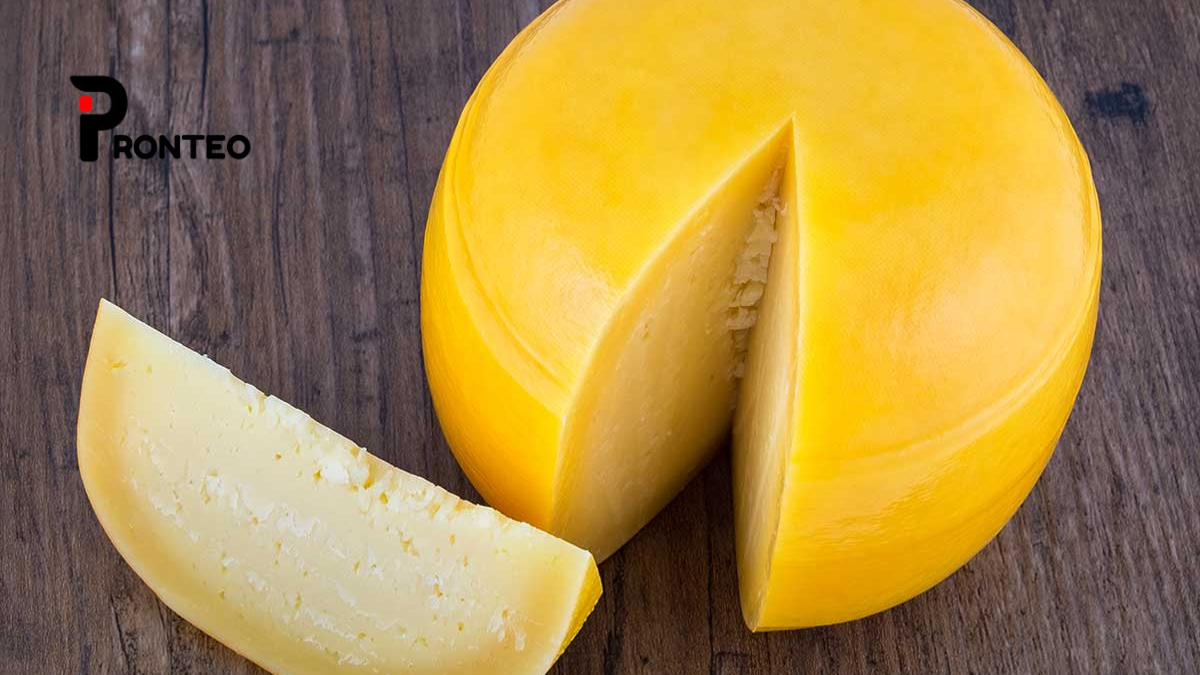
Gouda cheese is one of the most beloved cheeses worldwide, celebrated for its smooth texture, creamy flavor, and versatility in cooking. Originating from the Netherlands, Gouda has captured the hearts of cheese enthusiasts across cultures, making it a staple on cheese boards, in sandwiches, and as a key ingredient in gourmet recipes. Its rich history, variety of flavors, and nutritional benefits make it more than just a simple dairy product—it’s a culinary experience.
Whether you are a home cook looking to elevate your dishes or a cheese connoisseur curious about the nuances of different varieties, understanding Gouda cheese is essential. In this article, we will explore the origins of Gouda, the differences between its types, nutritional value, storage tips, serving ideas, and creative culinary uses. By the end, you’ll have a thorough knowledge of Gouda cheese and practical insights on how to incorporate it into your meals.
Gouda cheese traces its roots back to the city of Gouda in the Netherlands, where cheesemaking has been a tradition for centuries. Dating back to the 12th century, local farmers in the region began producing this semi-hard cheese from cow’s milk, using time-honored techniques passed down through generations. The unique texture and taste of Gouda emerged from careful curd formation, pressing, and aging processes, which gave it a distinct identity among other European cheeses.
As trade expanded throughout Europe in the 17th and 18th centuries, Gouda gained international recognition for its high quality and delightful taste. It became a common export product, admired for its smooth, creamy consistency and rich, nutty flavor that develops further with aging. Today, Gouda is not only an iconic Dutch product but also a symbol of European cheesemaking excellence.
The cultural significance of Gouda cheese extends beyond taste. In the Netherlands, cheese markets in Gouda are a historic tourist attraction, showcasing traditional weighing, selling, and trading methods. Festivals celebrating this cheese highlight its long-standing importance in Dutch society and its contribution to culinary heritage. These events allow visitors to witness the cheese-making craft firsthand, deepening appreciation for Gouda’s artisanal qualities.
Gouda cheese comes in a variety of types, each offering distinct flavors, textures, and uses. Young Gouda, usually aged for just a few weeks, has a mild, creamy taste with a smooth, elastic texture. It’s perfect for snacking, melting over dishes, or enjoying on sandwiches. Its subtle flavor appeals to those who prefer cheese that isn’t overpowering, making it a versatile kitchen staple.
Aged Gouda develops a rich, caramel-like flavor as it matures over months or even years. This variety often features tiny protein crystals that give it a slightly crunchy texture, creating a satisfying contrast to its deep, nutty taste. Aged Gouda is ideal for pairing with wine, adding to cheese boards, or grating over pasta and salads for an elevated culinary experience.
Smoked Gouda introduces a layer of complexity with a gentle smoky flavor, enhancing dishes like mac and cheese, burgers, and baked casseroles. Its aroma and taste make it a favorite for gourmet cooking and casual snacking alike. Flavored Gouda varieties, infused with herbs, spices, or even truffle, offer creative options for adventurous food lovers. Each type brings something unique to the table, demonstrating Gouda’s versatility in both traditional and modern cuisine.
Understanding these differences allows chefs and home cooks to choose the right Gouda for their recipes, ensuring maximum flavor impact and enjoyment. Whether melting, slicing, or serving as part of a platter, selecting the appropriate type of Gouda is key to a memorable culinary experience.
Beyond its delightful taste, Gouda cheese offers notable nutritional benefits, making it a valuable addition to a balanced diet. It is a rich source of protein, essential for muscle development, tissue repair, and overall health. A typical serving also contains healthy fats, which contribute to satiety and support brain function. While moderately high in fat, Gouda provides a satisfying and nutrient-dense option compared to many processed snacks.
Gouda is particularly high in calcium and phosphorus, minerals vital for strong bones and teeth. Regular consumption in moderation can help maintain bone density and prevent deficiencies, especially when paired with a diet rich in fruits, vegetables, and other nutrient sources. Additionally, Gouda contains vitamin B12, supporting energy production and nervous system health, and vitamin A, which benefits vision and immune function.
However, cheese lovers should be mindful of lactose content, as even though aged Gouda is relatively low in lactose, some people may still experience intolerance. Sodium content can also be significant, so portion control is recommended, particularly for those monitoring blood pressure. Compared to other cheeses like cheddar or brie, Gouda strikes a balance between taste and nutritional value, making it an enjoyable yet health-conscious choice for cheese enthusiasts.
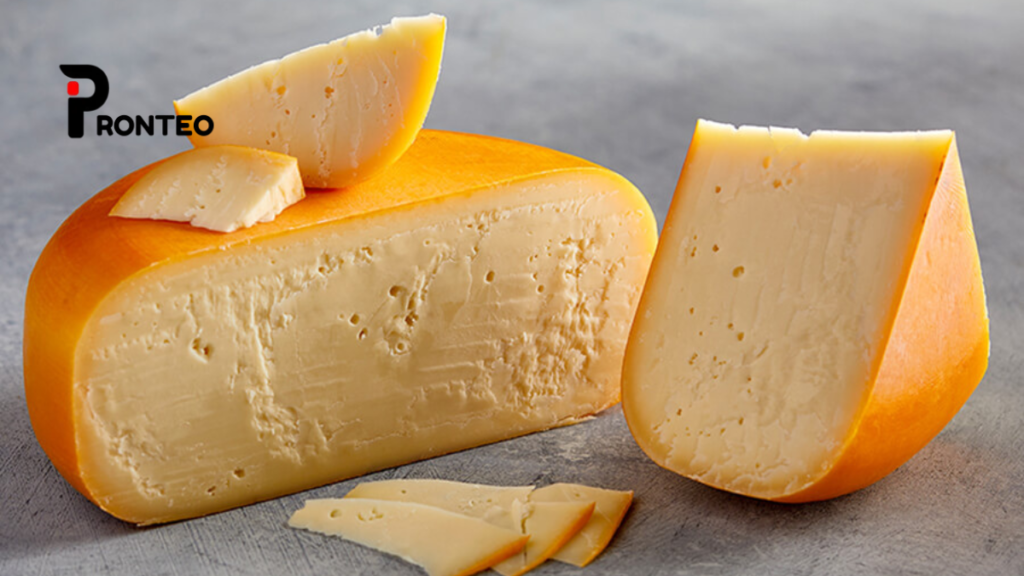
Choosing high-quality Gouda involves examining texture, aroma, and appearance. Look for a firm yet pliable texture, a slightly glossy surface, and a subtle nutty or buttery aroma. Aged varieties may feature small protein crystals, signaling proper maturation and rich flavor. Purchasing from trusted cheesemongers or reputable stores ensures authenticity and optimal quality.
Proper storage is essential to preserve Gouda’s flavor and texture. Store cheese in wax paper or parchment paper within a loosely sealed container to allow it to breathe while preventing excess moisture. Refrigeration is recommended, and slices or blocks should be consumed within a few days once opened. Aged Gouda can last longer, and bringing it to room temperature before serving enhances its aroma and taste.
Serving Gouda cheese offers many possibilities. Slice young Gouda for sandwiches, melt it over hot dishes, or cube it for salads. Aged Gouda works beautifully on cheese boards with fruits, nuts, and crackers. Smoked or flavored varieties can elevate simple recipes, adding depth to sandwiches, omelets, or baked dishes. Pairing Gouda with wines, beers, or even fresh juices can highlight its nutty and creamy characteristics, creating a balanced and sophisticated culinary experience.
Gouda cheese is incredibly versatile in the kitchen, fitting both simple and elaborate recipes. Young Gouda melts beautifully, making it ideal for grilled sandwiches, creamy soups, and cheesy pasta dishes. Its mild flavor ensures it complements rather than overpowers other ingredients, creating a harmonious balance in everyday meals.
Aged and smoked varieties shine in gourmet applications. Aged Gouda can be grated over salads, stirred into risottos, or served alongside charcuterie for a sophisticated touch. Smoked Gouda brings a rich, deep flavor to mac and cheese, stuffed chicken breasts, or baked casseroles, elevating ordinary dishes into indulgent experiences.
Gouda pairs well with a range of beverages and foods. Crisp white wines, malty beers, and dried fruits enhance its nutty and creamy flavor, while nuts and honey add texture and sweetness. Experimenting with flavored Gouda infused with herbs or truffle can inspire creative recipes, from savory quiches to decadent cheese sauces. With such adaptability, Gouda cheese is a staple for both casual home cooking and fine dining experiences.
Gouda cheese is more than just a cheese—it’s a cultural and culinary icon that combines history, flavor, and nutrition. From its Dutch origins to its modern-day variations, Gouda offers something for every palate. Young, aged, smoked, or flavored, each type brings unique characteristics to the table, whether in simple sandwiches or gourmet dishes. Its nutritional benefits and versatile culinary applications make it an ideal choice for cheese lovers seeking both taste and wellness.
By understanding its history, types, and uses, anyone can confidently select, store, and serve Gouda cheese in ways that highlight its richness and depth. Exploring different varieties and incorporating them into recipes can transform everyday meals into memorable experiences, making Gouda an indispensable part of any cheese lover’s repertoire.
What is the difference between young and aged Gouda?
Young Gouda is mild and creamy, while aged Gouda has a rich, nutty flavor with protein crystals.
How should Gouda cheese be stored for maximum freshness?
Store in wax or parchment paper inside a loosely sealed container in the refrigerator.
Can Gouda cheese be melted for cooking?
Yes, young and smoked Gouda melt well in soups, sauces, and baked dishes.
Is Gouda cheese healthy to eat every day?
In moderation, Gouda provides protein, calcium, and vitamins but should be balanced with other foods.
What drinks pair best with Gouda cheese?
White wines, malty beers, fresh juices, and dry reds complement Gouda’s nutty flavor.
How can you tell if Gouda cheese has gone bad?
Signs include an off smell, mold growth (not the natural crystals), or a slimy texture.
What makes smoked Gouda different from regular Gouda?
Smoked Gouda has a gentle smoky flavor and aroma that enhances both snacking and cooking applications.
Also Read: anna archive