 11
11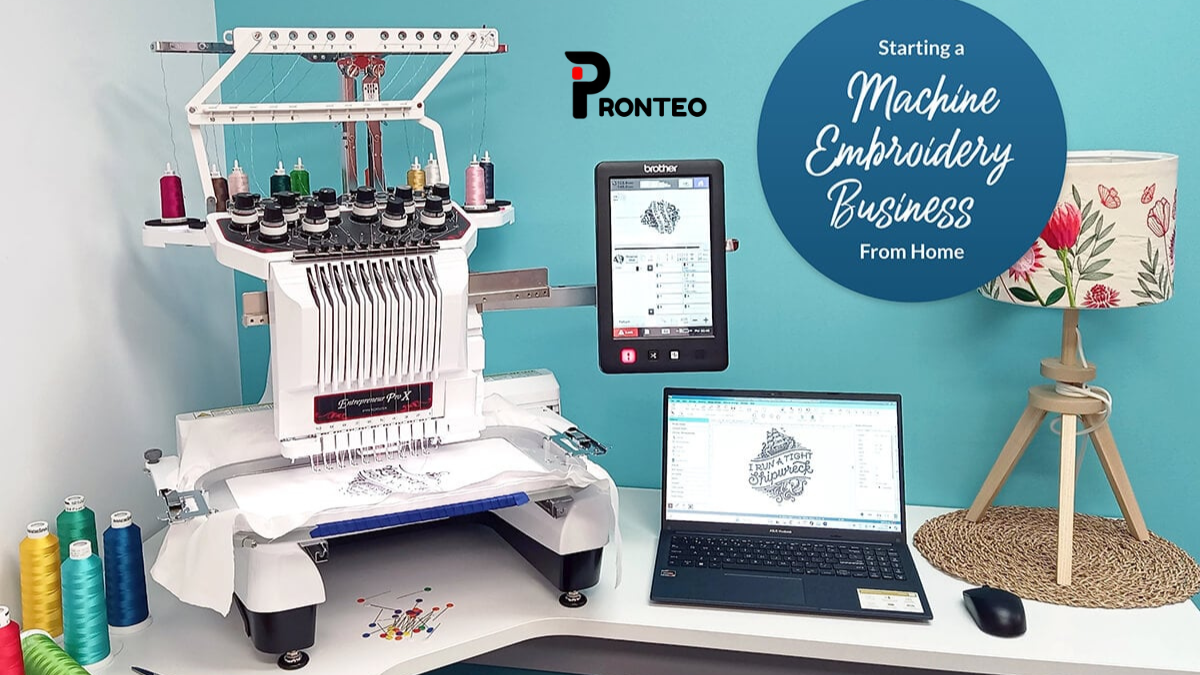
Embroidery machines have transformed the world of sewing, making it easier than ever for hobbyists and professionals to create intricate designs with precision. Once a craft limited to manual skill and patience, embroidery has now entered the digital age with machines capable of producing complex patterns in minutes. Whether you are a home enthusiast looking to personalise gifts or a small business owner aiming to expand your product offerings, understanding how embroidery machines work is essential.
The versatility of embroidery machines is unmatched. From adding monograms to clothing, creating decorative home accessories, or even producing intricate business logos, these machines allow creative expression while saving time. However, choosing the right machine requires more than simply picking the most expensive model. You need to consider your skill level, the type of projects you plan to work on, and essential features that suit your needs. This guide will walk you through everything you need to know about embroidery machines, from selecting the right one to using it effectively and maintaining it for years of smooth operation. By the end, you’ll be well-equipped to make an informed choice and unleash your creativity.
An embroidery machine is a specialized type of sewing machine designed to create decorative patterns on fabric automatically. Unlike standard sewing machines that primarily stitch fabrics together, embroidery machines follow digital or pre-programmed patterns to produce consistent and professional-looking designs. They can range from basic single-needle machines to advanced multi-needle machines capable of handling multiple threads and complex designs simultaneously.
Single-needle machines are often recommended for beginners because they are straightforward and cost-effective. Multi-needle machines, on the other hand, are ideal for commercial use or intricate projects, as they allow multiple thread colours without changing threads manually. Moreover, modern embroidery machines often come with computerised interfaces, touchscreen controls, and pre-loaded design libraries. This digital integration makes it possible to upload your own patterns, resize designs, and even preview the embroidery before stitching, offering unprecedented precision and flexibility.
Using an embroidery machine also has tangible benefits over manual embroidery. It significantly reduces production time, ensures uniformity, and allows for the replication of designs across multiple pieces. Whether for personal projects or small business purposes, these machines provide a combination of efficiency, creativity, and professionalism that is hard to achieve by hand. Understanding the types and capabilities of embroidery machines is the first step to making the most of this versatile tool.
Choosing the right embroidery machine can feel overwhelming, given the variety of models available. The key is to match the machine with your personal needs, budget, and project type. Beginners should consider machines that offer user-friendly interfaces, basic stitch patterns, and smaller hoop sizes to practice designs comfortably. Advanced users may prioritise multi-needle capabilities, larger work areas, and advanced software integration to handle commercial projects or complex patterns.
Another essential factor is brand reputation and model reliability. Popular brands often provide better customer support, easier access to replacement parts, and consistent performance. Features like automatic thread cutting, adjustable speed, and built-in design libraries can significantly enhance the user experience. It’s also important to consider the machine’s size and portability if space is limited or if you plan to transport it for workshops and events.
Budget is another major consideration. Entry-level machines can range from affordable home-use models to more expensive professional-grade machines. Investing slightly more in a reliable machine can save time and frustration in the long run. Additionally, consider whether the machine supports upgrades or software updates, which can extend its usefulness and ensure it remains compatible with new designs or embroidery technology.
Finally, reading reviews and testing machines in stores can provide insights beyond specifications. Observing how smoothly a machine operates, the clarity of its instructions, and the ease of threading or hoop placement can influence your decision. With the right considerations, you can find a machine that balances quality, features, and affordability for your embroidery needs.
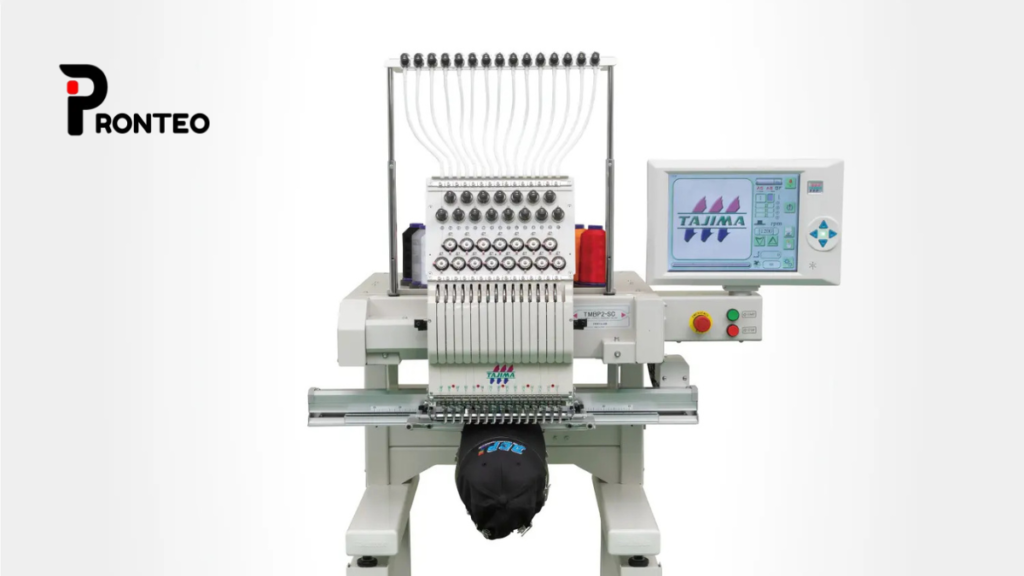
Embroidery machines come with an array of features designed to enhance creativity and improve efficiency. One of the most crucial is hoop size, which determines the maximum area available for stitching. Larger hoops allow for more intricate designs without having to reposition the fabric, while smaller hoops are more manageable for beginners or simple projects. Other valuable features include stitch options, thread tension adjustment, and automatic needle threading, all of which contribute to precision and ease of use.
Accessories also play a significant role in getting the most out of your embroidery machine. Stabilizers, for instance, prevent fabric from puckering during stitching and ensure designs remain consistent. Different thread types can create various textures and effects, from glossy satin finishes to matte, durable threads for functional items. Needles specifically designed for embroidery reduce the risk of thread breakage and damage to delicate fabrics.
Software compatibility is another important consideration. Many modern embroidery machines allow users to upload custom designs via USB or Wi-Fi. This flexibility enables you to personalise patterns, resize designs, or even convert digital images into embroidery-ready formats. Some machines also come with touchscreen interfaces, making navigation and editing much simpler. The combination of these features and accessories not only improves the quality of your embroidery but also enhances efficiency, creativity, and overall satisfaction with your projects.
Using an embroidery machine effectively requires patience and practice. Always begin by reading the manual thoroughly to understand your machine’s specific functions. Proper setup is essential, including correct hoop placement, stabilizer usage, and threading. Starting with simple designs helps you get comfortable with speed adjustments and stitch accuracy before moving on to complex patterns. Avoid common mistakes like over-tightening fabric or neglecting thread maintenance, which can cause breakage or uneven stitching.
Maintenance is equally important to prolong the lifespan of your embroidery machine. Regular cleaning prevents lint build-up, which can interfere with stitching. Lubricating moving parts according to the manufacturer’s guidelines ensures smooth operation and reduces wear and tear. Additionally, replacing needles regularly and checking tension settings can prevent damage to both the machine and the fabric. Periodic servicing by a professional may be required for more advanced machines to maintain optimal performance.
With proper use and maintenance, an embroidery machine can serve as a reliable creative tool for years. Combining good technique with routine care allows you to focus on producing beautiful designs rather than troubleshooting problems. By understanding how to use and maintain your machine, you ensure every project is executed flawlessly while preserving the longevity of your investment.
Embroidery machines open up a world of creative possibilities. At home, they are perfect for customising clothing, personalising gifts, and adding decorative elements to home decor items like cushions, towels, and wall hangings. Small details like initials, logos, or intricate patterns can turn ordinary items into keepsakes or unique products for resale.
In business, embroidery machines are invaluable for branding and merchandising. Entrepreneurs use them to produce embroidered uniforms, promotional items, and bespoke fashion pieces. With the ability to replicate designs accurately across multiple items, businesses can maintain quality and consistency without excessive manual labour. Moreover, online marketplaces have created opportunities for selling embroidered products, from personalised baby clothes to monogrammed accessories. The creative potential is limitless, making embroidery machines a versatile tool for personal enjoyment and commercial ventures alike.
Embroidery machines have revolutionised the way we approach decorative stitching. From understanding different types of machines to evaluating essential features and accessories, choosing the right embroidery machine requires careful thought and research. Once acquired, proper usage and regular maintenance ensure smooth operation and long-lasting results.
Whether for personal hobbies or professional applications, embroidery machines empower users to create intricate designs with efficiency and precision. With creativity, practice, and the right equipment, these machines can transform ordinary projects into works of art, opening doors to new possibilities in both personal and commercial ventures.
What is the difference between a sewing machine and an embroidery machine?
A sewing machine primarily joins fabrics, while an embroidery machine creates decorative patterns automatically.
Can beginners use an embroidery machine easily?
Yes, with simple designs and proper guidance, beginners can quickly learn to use embroidery machines.
What is the average price of a good embroidery machine?
Entry-level machines start around $200, while professional models can exceed $1,500.
Which accessories are essential for embroidery projects?
Hoops, stabilizers, quality threads, needles, and software are essential accessories.
How often should I maintain my embroidery machine?
Regular cleaning and lubrication after every few projects, with professional servicing annually.
Can I connect my embroidery machine to a computer?
Yes, most modern machines support USB or Wi-Fi connections for uploading designs.
Are multi-needle machines better than single-needle machines?
Multi-needle machines are faster and more versatile, but single-needle machines are simpler for beginners.
What types of fabrics work best with embroidery machines?
Cotton, linen, polyester blends, and stabilised delicate fabrics work best.
Can embroidery machines be used for commercial purposes?
Yes, they are widely used in small businesses for branding and product creation.
How do I prevent thread breakage while embroidering?
Use high-quality threads, maintain proper tension, and replace needles regularly.
Also Read: eileen catterson