 11
11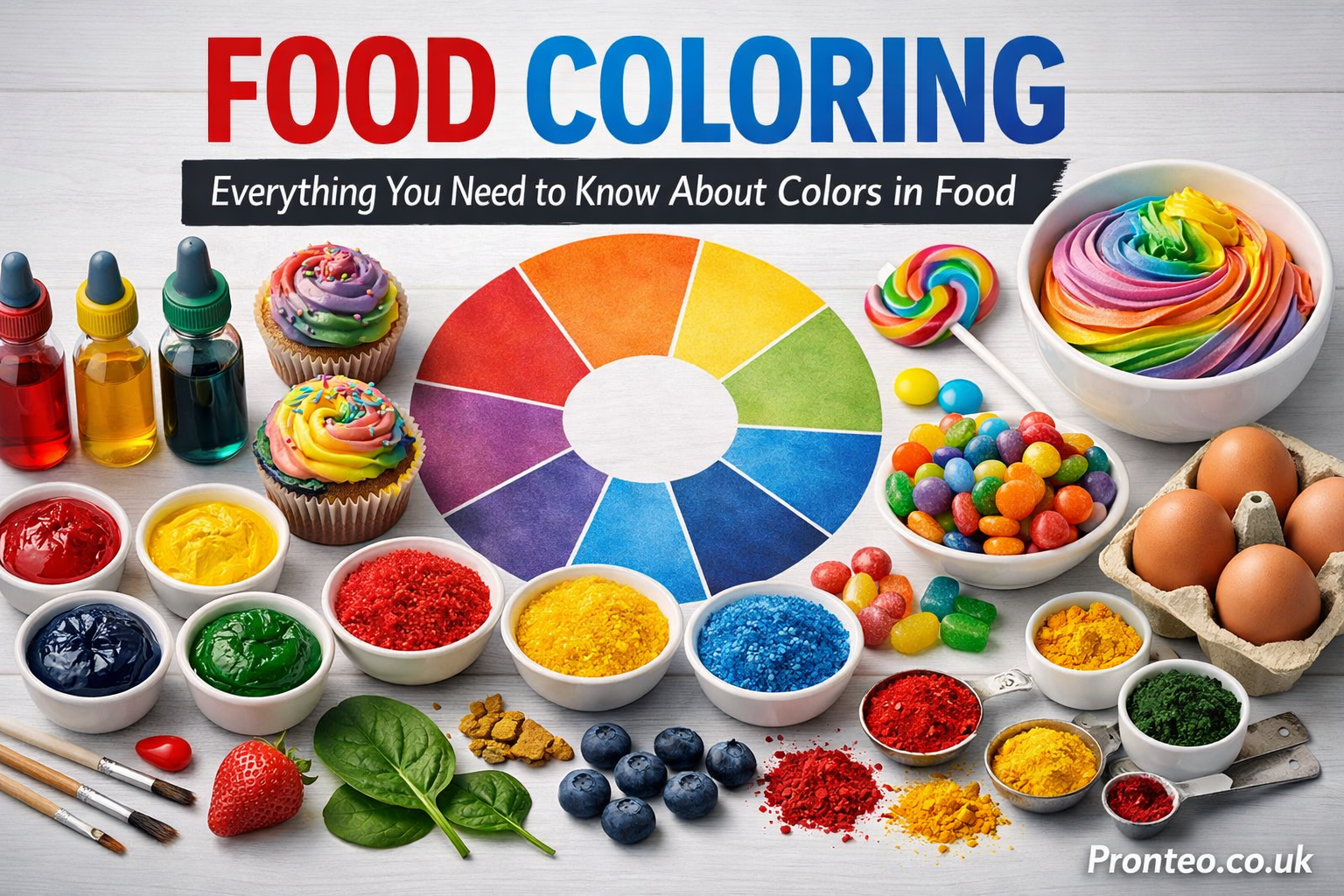
Food coloring plays a powerful role in how we experience food, often before we even taste it. Color influences perception, appetite, and expectations, making food coloring an essential element in cooking, baking, and commercial food production. From bright birthday cakes to golden sauces and vibrant beverages, food coloring helps foods look fresh, flavorful, and visually appealing. In many cases, color also restores what is lost during processing, ensuring foods appear consistent and attractive on store shelves and dining tables alike.
In recent years, food coloring has gained even more attention due to growing consumer awareness about ingredients, health, and food transparency. People are increasingly curious about what goes into their food, where colors come from, and how they affect the body. This has sparked debates around natural versus artificial food coloring, clean-label trends, and the safety of synthetic dyes. As a result, understanding food coloring is no longer just for professional chefs or manufacturers—it has become relevant for everyday home cooks and health-conscious consumers.
This in-depth guide explores food coloring from every angle, including its definition, types, uses, safety concerns, and future trends. Whether you are a baker looking to perfect icing shades, a parent concerned about ingredients, or simply curious about the science of food, this article will give you a complete and balanced understanding of food coloring.
Food coloring refers to substances added to food or beverages to change or enhance their color. These substances can be derived from natural sources such as plants, minerals, and insects, or they can be synthetically produced in laboratories. The primary purpose of food coloring is to make food visually appealing, but it also serves practical functions such as color correction, standardization, and product identification across batches.
Historically, food coloring has been used for centuries. Ancient civilizations used spices like saffron, beet juice, and turmeric to color foods naturally. As food production became more industrialized, especially during the 19th and 20th centuries, synthetic food dyes were developed to provide brighter colors, greater consistency, and longer shelf life. These artificial dyes allowed manufacturers to meet consumer expectations for vibrant, uniform food products on a large scale.
Today, food coloring is a regulated ingredient in most countries, meaning it must meet specific safety and quality standards before being approved for use. While its primary function is aesthetic, food coloring also plays a psychological role by influencing how fresh, sweet, or flavorful a food appears. Understanding what food coloring is and why it is used helps consumers make informed choices about the foods they eat.
Food coloring is generally divided into natural and artificial categories, each with its own characteristics, benefits, and limitations. Natural food coloring comes from plant-based and mineral sources such as fruits, vegetables, algae, and spices. Common examples include beetroot for red shades, turmeric for yellow, spirulina for blue-green tones, and paprika for orange hues. These natural colors are popular among consumers seeking cleaner labels and fewer synthetic additives in their diets.
Despite their appeal, natural food colorings have some challenges. They can be less stable when exposed to heat, light, or changes in pH, which may cause colors to fade or change over time. They may also be more expensive and produce softer, less intense shades compared to artificial dyes. However, advancements in food technology have improved the performance of natural colors, making them increasingly viable for commercial use.
Artificial food coloring, also known as synthetic dyes, is created using chemical processes. These colors are valued for their vibrant intensity, consistency, and long shelf life. Common synthetic dyes include Red 40, Yellow 5, and Blue 1, which are widely used in candies, drinks, and packaged foods. While artificial food coloring is approved for consumption within regulated limits, it has faced criticism due to potential health concerns and behavioral effects in sensitive individuals.
In addition to source-based categories, food coloring also comes in different forms, such as liquid, gel, powder, and oil-based varieties. Each form serves a specific purpose, especially in baking and confectionery, where precision and color control are essential.
Food coloring is used across a wide range of culinary applications, from home kitchens to large-scale food manufacturing. In baking, food coloring is essential for decorating cakes, cupcakes, cookies, and pastries. Gel and paste food colorings are especially popular among bakers because they produce strong colors without altering the consistency of frosting or batter. Powdered food coloring is often used in dry mixes and specialty applications where moisture control is important.
In beverages and desserts, food coloring enhances visual appeal and reinforces flavor expectations. Brightly colored drinks often appear more refreshing, while richly colored desserts suggest sweetness and indulgence. Food coloring is also used in savory foods such as sauces, soups, and processed meals to maintain a consistent appearance, especially after cooking or storage.
Beyond home use, food coloring plays a critical role in branding and product recognition within the food industry. Consumers associate certain colors with specific flavors or brands, making color consistency a powerful marketing tool. For example, the same snack product must look identical regardless of where or when it is purchased, which is achieved through carefully controlled food coloring processes.
Professional chefs and food manufacturers use food coloring strategically, while home cooks often use it creatively. Understanding how and where food coloring is used allows users to select the right type and form for their specific needs.
The safety of food coloring is a topic of ongoing discussion and research. Regulatory bodies such as food safety authorities evaluate food colorings before approving them for use, setting acceptable daily intake levels to ensure consumer safety. When used within these guidelines, both natural and artificial food colorings are generally considered safe for the majority of people.
However, some individuals may experience sensitivities or allergic reactions to certain food colorings, particularly synthetic dyes. Concerns have also been raised about the potential link between artificial food coloring and hyperactivity in children, leading some parents to limit or avoid these additives. As a result, many brands now offer dye-free or naturally colored alternatives to meet consumer demand.
Natural food colorings are often perceived as healthier, but they are not entirely risk-free. Some natural sources may cause allergic reactions, and their stability issues can lead to inconsistent results. The key to safe consumption lies in moderation, transparency, and informed choices. Reading labels and understanding ingredient sources helps consumers decide which food colorings align with their health and lifestyle preferences.
Food coloring is far more than a cosmetic addition to food—it is a blend of science, art, psychology, and culture. From ancient natural dyes to modern synthetic pigments, food coloring has evolved to meet changing consumer expectations and technological advancements. Understanding the types, uses, and safety aspects of food coloring empowers consumers to make informed decisions and appreciate the role color plays in the foods they enjoy.
As trends shift toward natural ingredients and clean labels, food coloring continues to innovate. Whether you prefer natural hues or reliable synthetic shades, responsible use and awareness are key. By learning how food coloring works, you can enhance your cooking, support your health goals, and enjoy food that looks as good as it tastes.
What is food coloring made from?
Food coloring can be made from natural sources like plants and spices or from synthetic chemical compounds.
Is food coloring safe to consume daily?
When consumed within regulated limits, approved food colorings are generally safe for daily use.
What is the difference between gel and liquid food coloring?
Gel food coloring is more concentrated and better for baking, while liquid coloring is easier to mix but less intense.
Can I make food coloring at home?
Yes, homemade food coloring can be made using ingredients like beet juice, turmeric, and spinach.
Which food coloring is best for baking?
Gel and powdered food colorings are best for baking due to their strength and stability.
Are natural food colorings better than artificial ones?
Natural food colorings are often preferred for clean labels, but artificial colors offer stronger and more stable results.
Does food coloring expire?
Yes, food coloring can expire and may lose potency or change color over time.
Is food coloring vegan and gluten-free?
Many food colorings are vegan and gluten-free, but checking labels is essential for confirmation.
Also Read: chair for the elderly us