 11
11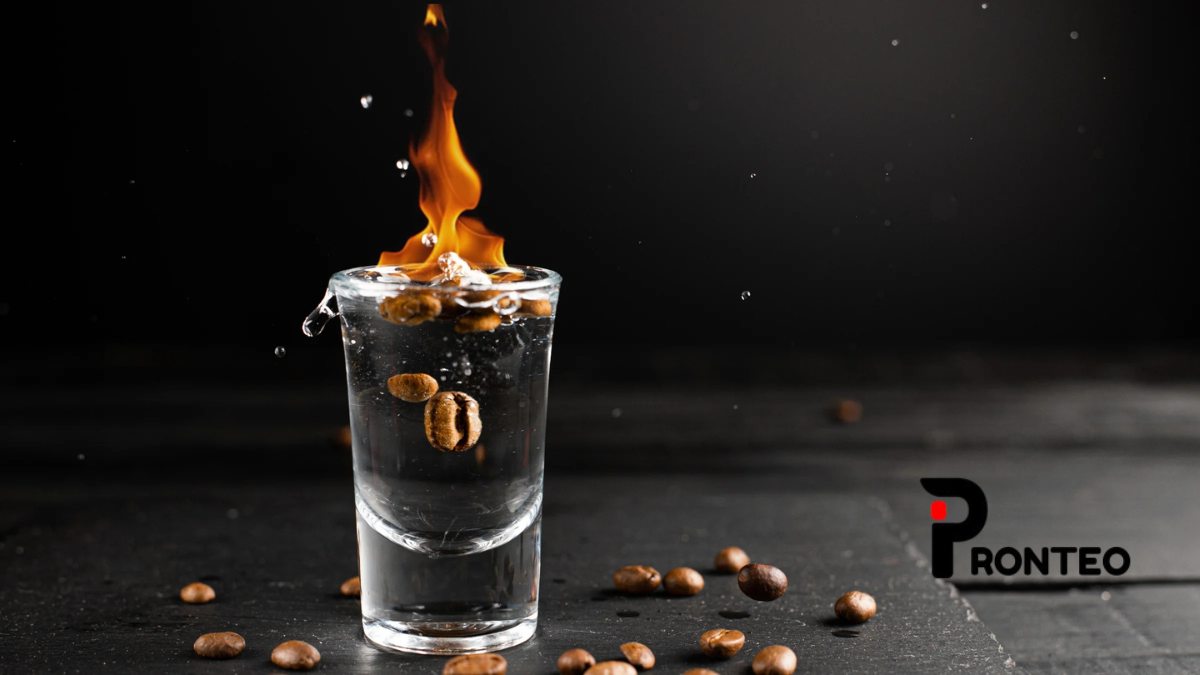
Sambuca is more than just an Italian liqueur; it is a symbol of tradition, culture, and flavor that has captivated palates worldwide. Recognized for its sweet, aromatic anise taste, Sambuca has become a staple in Italian households and bars alike. Its versatility allows it to be enjoyed neat, on the rocks, or as the star ingredient in creative cocktails. The drink also has ceremonial importance, often served with three coffee beans—a tradition known as “con la mosca,” symbolizing health, happiness, and prosperity.
Originating in Italy, Sambuca has been embraced internationally, especially in Europe and North America. Its unique licorice-like flavor sets it apart from other liqueurs, making it a favorite for both casual drinkers and seasoned connoisseurs. The liqueur’s strong yet smooth character provides a warming sensation, making it ideal for after-dinner sipping or for adding depth to desserts and culinary dishes. This article explores the history, varieties, drinking methods, culinary uses, and cultural significance of Sambuca, giving readers a complete guide to this iconic Italian spirit.
Understanding Sambuca is not just about knowing a drink; it’s about appreciating an Italian heritage that blends tradition, flavor, and ritual. From its ancient origins to its modern-day versatility, Sambuca continues to charm enthusiasts with its distinct taste and timeless appeal. Whether you’re a mixologist, a foodie, or simply curious about Italian spirits, this guide provides everything you need to know to enjoy Sambuca to the fullest.
Sambuca’s roots trace back to the Mediterranean region, where herbs and spices were historically used to create aromatic beverages. Its most distinctive ingredient, anise, has been cultivated for thousands of years and was highly valued for its digestive properties. Early Italian monks and herbalists experimented with blending anise, elderflowers, and sugar, leading to the creation of the sweet liqueur we know today. Over time, Sambuca became a symbol of Italian craftsmanship and ingenuity, cherished not only for its flavor but also for its medicinal qualities.
The exact origin of the name “Sambuca” is debated among historians. Some suggest it comes from the Latin word sambucus, meaning elderberry, while others link it to the Arabic word zammut, referring to a similar anise-flavored drink. Regardless of its etymology, Sambuca’s early popularity in Rome and surrounding regions laid the foundation for its long-standing cultural relevance.
By the 19th century, Sambuca began to be commercially produced, with Italian distillers perfecting the balance of sweetness and anise aroma. The introduction of modern bottling techniques allowed it to reach international markets, making it a globally recognized Italian spirit. Brands like Molinari and Luxardo became synonymous with high-quality Sambuca, cementing its reputation as a premium liqueur.
As the drink spread, different regions in Italy began creating unique variations, incorporating local herbs, spices, and flavorings. This period of experimentation helped Sambuca evolve into the diverse liqueur that appeals to both traditionalists and modern drink enthusiasts.
In today’s market, Sambuca remains a popular choice for after-dinner drinks, celebratory toasts, and cocktail creations. Its versatility and distinctive flavor profile continue to inspire mixologists and chefs around the world. Modern distillers uphold the centuries-old traditions while introducing innovative flavors to cater to contemporary tastes, ensuring that Sambuca remains relevant in a competitive spirits market.
White Sambuca, or Bianco, is the most widely recognized variety. It is clear, sweet, and rich in anise flavor, often served neat or with coffee beans. Bianco is versatile and works well in cocktails, offering a smooth, aromatic taste that complements a variety of mixers. Its bright, clear appearance makes it visually appealing, especially when served in a chilled shot glass.
This classic variety also carries cultural significance in Italy, where it is traditionally enjoyed at the end of a meal as a digestif. Its subtle sweetness balances the anise, creating a harmonious flavor that is both refreshing and comforting.
Black Sambuca, or Nero, offers a bolder, more intense flavor compared to its white counterpart. Infused with additional herbs and sometimes coloring agents, Nero delivers a deep, complex taste with pronounced anise notes. Its darker hue makes it a visually striking option for cocktails and shots.
Nero is favored by those who prefer a stronger flavor profile, often enjoyed on the rocks or as an ingredient in rich, layered cocktails. Its higher intensity pairs well with coffee, chocolate, and even certain savory dishes, making it a versatile option for adventurous drinkers.
Beyond the traditional white and black varieties, Sambuca now comes in several flavored options. Elderflower, coffee, and other fruit-infused versions are increasingly popular among modern consumers. These variants provide unique twists on the classic taste, allowing for creative mixology and culinary applications.
When selecting Sambuca, quality matters. Look for brands with a strong reputation and authentic ingredients. Check labels for natural anise and sugar content, as high-quality Sambuca offers a smoother, more balanced taste. Whether you prefer Bianco, Nero, or a flavored variety, the right bottle can elevate both your drinking and cooking experiences.
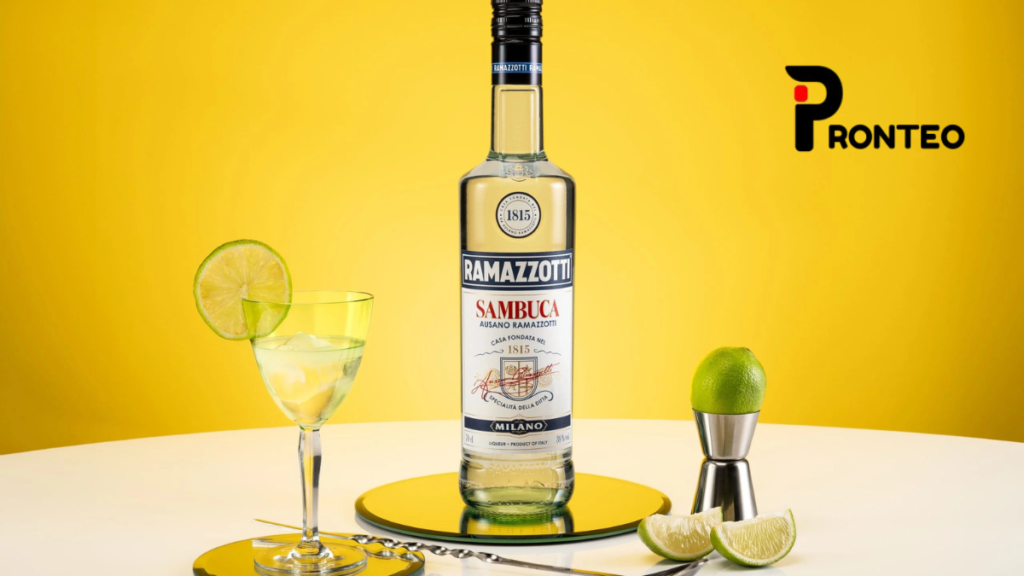
The most iconic way to drink Sambuca in Italy is “con la mosca,” which means serving it with three coffee beans. Each bean symbolizes health, happiness, and prosperity. Traditionally, the drink is poured into a small glass, the coffee beans are added, and the Sambuca is either sipped slowly or ignited briefly for a dramatic presentation. This method enhances the aroma and flavor while offering a visually captivating ritual.
Sambuca can also be enjoyed neat or on the rocks. Serving it chilled in a shot glass highlights its natural sweetness and aromatic complexity. On the rocks, the slight dilution softens the alcohol, making it easier to sip. Pairing Sambuca with a small dessert or fruit can enhance the overall tasting experience, making it an excellent digestif after a meal.
For cocktail enthusiasts, Sambuca offers endless possibilities. From classic Sambuca-and-coffee drinks to more inventive concoctions like anise-flavored martinis or layered shots, the liqueur adds a distinctive touch to any mix. Bartenders often pair it with citrus, chocolate, or herbal liqueurs to create flavorful, aromatic drinks that appeal to a broad audience.
Sambuca is a natural companion for desserts due to its sweet, anise-rich flavor. It can be drizzled over ice cream, added to cakes, or incorporated into custards and pastries. The liqueur enhances both taste and aroma, transforming ordinary desserts into luxurious culinary experiences.
Beyond desserts, Sambuca is used in cooking to add depth to sauces, marinades, and flambéed dishes. Its anise notes pair beautifully with seafood, poultry, and creamy sauces. The alcohol content evaporates during cooking, leaving behind a delicate sweetness and aromatic complexity that elevates the dish.
Sambuca pairs exceptionally well with coffee, chocolate, and nut-based desserts. Its aromatic qualities complement rich flavors, making it an ideal addition to both sweet and savory recipes. Understanding these pairings can help home cooks and chefs create balanced, flavorful dishes.
While Sambuca is sweet and smooth, it is still a potent liqueur, usually containing around 38–42% alcohol by volume. Drinking in moderation is essential to enjoy its flavor responsibly. Overconsumption can lead to intoxication, so it’s best appreciated in small servings or as part of a mixed drink.
Sambuca has a rich cultural heritage, with fascinating rituals and myths surrounding its consumption. For example, the three coffee beans used in “con la mosca” are sometimes toasted before serving to intensify flavor. Additionally, the liqueur has been referenced in movies, literature, and Italian celebrations, further cementing its iconic status.
Sambuca is more than a liqueur; it is a celebration of Italian tradition, flavor, and craftsmanship. From its historical roots and diverse varieties to its drinking rituals and culinary uses, Sambuca offers a unique experience for anyone willing to explore its sweet, anise-flavored charm. Whether sipped neat, used in cocktails, or incorporated into desserts, this versatile spirit continues to delight and inspire, keeping Italian heritage alive in every glass.
What is Sambuca made from?
Sambuca is primarily made from anise, sugar, and various herbs. Some varieties include elderflower or additional flavorings.
How do you drink Sambuca the traditional way?
Traditionally, Sambuca is served “con la mosca” with three coffee beans symbolizing health, happiness, and prosperity.
What is the difference between white and black Sambuca?
White (Bianco) is clear and smooth, while black (Nero) has a stronger, more intense flavor with additional herbs.
Can Sambuca be used in cooking?
Yes, it enhances desserts, sauces, marinades, and flambé dishes with its sweet, anise flavor.
How strong is Sambuca compared to other liqueurs?
Sambuca usually contains 38–42% alcohol by volume, similar to other strong liqueurs like absinthe or Cointreau.
Are there non-alcoholic versions of Sambuca?
Some brands offer non-alcoholic anise-flavored alternatives, though they are less common.
How should Sambuca be stored to maintain its flavor?
Store Sambuca in a cool, dark place, ideally upright, and away from direct sunlight to preserve its aroma and taste.
Also Read: run the gauntlet