 11
11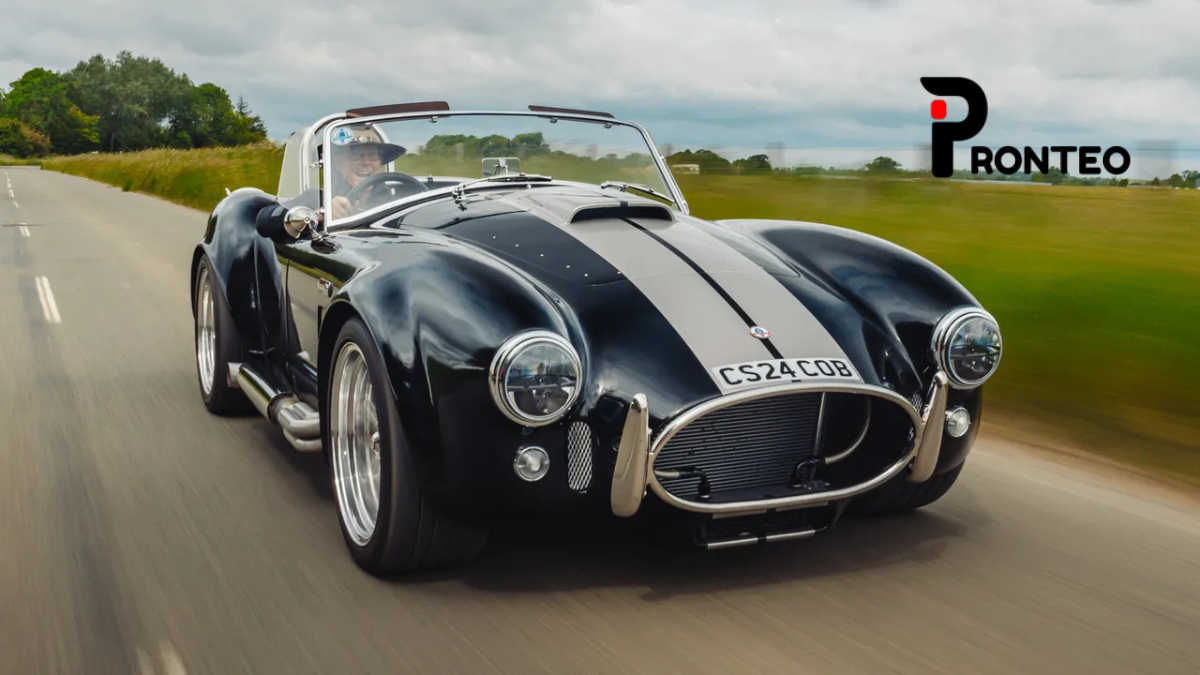
The Shelby Cobra is more than just a car; it’s a legend. Synonymous with raw power, sleek design, and unrivaled performance, the Shelby Cobra has left an indelible mark on the world of sports cars. Born from the vision of automotive innovator Carroll Shelby, this iconic American muscle car combined lightweight British engineering with the brutal force of American V8 engines. The result was a machine that could dominate racetracks and captivate enthusiasts alike.
From its debut in the early 1960s, the Shelby Cobra immediately became a symbol of speed and innovation. Its aggressive stance, curved bodywork, and roaring engine made it an instant head-turner. But beyond aesthetics, the Cobra was engineered to perform. It bridged the gap between a race car and a street-legal sports car, creating a unique niche in automotive history. Enthusiasts still marvel at its legacy, as it set benchmarks for future sports cars.
Today, the Shelby Cobra represents a perfect marriage of design, engineering, and American muscle ethos. Collectors prize it for its rarity and historical significance, while car fans admire its cultural impact. Whether on the racetrack, in movies, or at auto shows, the Shelby Cobra continues to evoke awe. Its story reflects not just the evolution of a car, but a broader narrative of automotive ingenuity and ambition.
The story of the Shelby Cobra begins with Carroll Shelby, a visionary American race car driver turned automotive designer. After a successful racing career in the 1950s, Shelby wanted to create a car that could compete with the best European sports cars while incorporating American muscle. He teamed up with AC Cars of Britain, who provided the lightweight chassis, and paired it with a Ford V8 engine, creating an explosive combination of speed and agility.
The first prototypes, known as the 260 Cobras, debuted in the early 1960s. These cars were revolutionary, blending British finesse with American horsepower. Shelby’s goal was clear: produce a car that could dominate on the racetrack without sacrificing style or street drivability. The compact size, minimal weight, and powerful engine made the Cobra a standout among contemporaries, capturing the imagination of car enthusiasts worldwide.
By combining expertise from two continents, Shelby not only created a sports car but also pioneered a philosophy: lightweight engineering plus raw power equals unparalleled performance. This vision became the cornerstone of the Cobra’s success and laid the groundwork for future iconic models.
The Shelby Cobra quickly rose to fame through motorsport. Its racing debut in the United States and Europe showcased its competitive edge. With Carroll Shelby’s leadership and skilled drivers behind the wheel, the Cobra began winning prestigious races, challenging well-established European competitors like Ferrari and Jaguar. The Cobra’s victories in sports car championships amplified its reputation, cementing its status as a performance powerhouse.
Beyond the racetrack, the car captivated the general public. Its curvy bodywork, aggressive grille, and roaring V8 engine created an aura of excitement. Car magazines and auto shows highlighted the Shelby Cobra as the ultimate American sports car. The combination of racing pedigree and public fascination propelled the Cobra from a niche project into a legendary automotive icon.
The Shelby Cobra evolved rapidly to meet growing demand and competitive pressure. Early models, like the 260 and 289, focused on agility and speed, while later models, such as the 427, prioritized raw power. Each iteration improved engine performance, chassis rigidity, and aerodynamics. Limited editions and collector versions, including the rare 427 S/C, became highly sought after, reflecting the car’s growing prestige.
Through the decades, the Shelby Cobra maintained its signature style while embracing advancements in technology. Its evolution tells the story of a car constantly refining its balance between power and precision, ensuring it remained relevant in both racing and collectible markets.
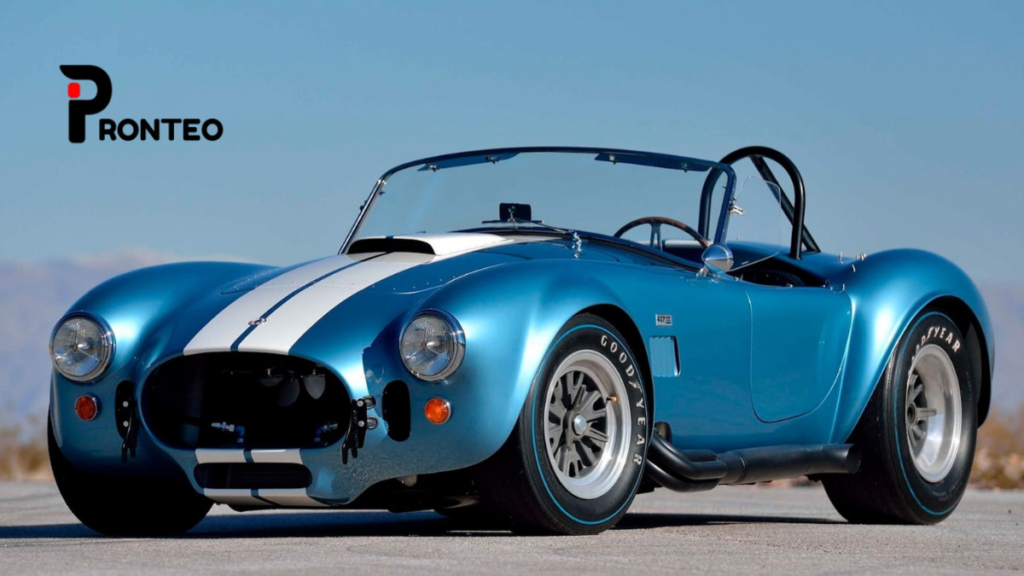
The Shelby Cobra’s exterior is instantly recognizable. Its low-slung stance, wide fenders, and sweeping curves create a sense of speed even at a standstill. Designers focused on aerodynamics without sacrificing the muscular look that defines the car. Iconic elements, such as the distinctive grille, side exhaust pipes, and rounded headlights, have made the Cobra a visual symbol of performance.
Color choices also played a role in the car’s appeal. Bold hues like Guardsman Blue, Wimbledon White with racing stripes, and metallic tones emphasized its aggressive yet elegant aesthetic. Even today, these designs influence modern sports cars, showcasing the timeless nature of the Cobra’s design.
Under the hood, the Shelby Cobra is pure American muscle. Early 260 and 289 models offered impressive speed and acceleration, but the 427 became legendary for its 425+ horsepower output. This engine allowed the Cobra to accelerate from 0 to 60 mph in under four seconds—astonishing for its time.
Beyond raw speed, the car’s lightweight frame and responsive steering created exceptional handling. The Cobra’s balance of weight distribution and power made it a formidable contender on racetracks, capable of outmaneuvering larger, heavier competitors.
Inside, the Shelby Cobra was driver-focused. Minimalistic yet functional, the cockpit prioritized performance over luxury. The dashboard featured clear, analog gauges, and the bucket seats held drivers firmly during high-speed maneuvers. While it lacked modern amenities, this stripped-down approach enhanced the driving experience, making every ride thrilling and connected.
The Cobra incorporated innovations that were ahead of its time. Lightweight materials like aluminum for the body reduced overall mass, enhancing speed and handling. Aerodynamic refinements minimized drag while maximizing stability at high speeds. These engineering choices established a benchmark for sports cars and influenced future automotive design.
The Shelby Cobra’s racing legacy is unmatched. It achieved numerous victories in sports car competitions during the 1960s. Carroll Shelby’s vision of a lightweight, powerful car proved successful, as drivers dominated tracks across the U.S. and Europe. These victories not only boosted the car’s reputation but also inspired future generations of race cars.
Daytona, Le Mans, and Sebring became stages where the Cobra showcased its prowess. Its lightweight chassis, paired with explosive acceleration, allowed drivers to take corners faster and overtake competitors with ease. Each race reinforced the Cobra’s dominance and its ability to combine raw speed with strategic handling.
The Cobra’s impact extended beyond victories. Its design principles influenced American race car development for decades. Lightweight frames, high horsepower, and balanced handling became essential benchmarks, with the Cobra serving as a blueprint for future sports cars.
Collectors value the Shelby Cobra for its rarity, historical importance, and aesthetic appeal. Original Cobras are considered some of the most prized collector cars in the world, often selling for millions at auctions. Its combination of racing history and striking design makes it a trophy for enthusiasts and investors alike.
Purchasing a Cobra requires careful research. Original models, particularly 427s, are rare and expensive. Replicas and continuation models offer an alternative for enthusiasts seeking the experience without the hefty price tag. Understanding authenticity, provenance, and condition is crucial when investing.
Maintaining or restoring a Cobra requires expertise. Parts must be carefully sourced, and restoration efforts must balance authenticity with performance. Proper care ensures longevity and preserves the car’s historical and monetary value.
The Shelby Cobra continues to influence automotive culture. It appears in movies, video games, and auto shows worldwide, symbolizing speed and style. Modern sports cars borrow design cues from the Cobra, from aerodynamic shapes to bold color schemes. Enthusiasts celebrate its legacy at car shows and racing events, ensuring the Cobra’s legend lives on.
The Shelby Cobra is more than a classic car—it’s an enduring icon of automotive history. From its bold engineering to racing dominance, its legacy continues to inspire enthusiasts, collectors, and designers worldwide. Its combination of style, power, and innovation ensures the Shelby Cobra remains a symbol of American muscle and automotive ingenuity for generations to come.
What years was the original Shelby Cobra produced?
The original Shelby Cobra was produced from 1962 to 1967.
What are the most valuable Shelby Cobra models today?
The 427 S/C models are the most prized due to rarity and performance.
How fast can a Shelby Cobra go?
Depending on the model, top speeds range from 140 to over 160 mph.
Are there modern replicas of the Shelby Cobra available?
Yes, many companies offer faithful replicas and continuation models.
Who designed the Shelby Cobra?
The car was designed by Carroll Shelby in collaboration with AC Cars of Britain.
What makes the Shelby Cobra so iconic?
Its combination of British engineering, American V8 power, and racing success sets it apart.
How do I maintain or restore a Shelby Cobra?
Restoration requires sourcing authentic parts and consulting specialists familiar with vintage Cobras.
Can the Shelby Cobra be driven on modern roads safely?
Yes, with proper maintenance, though it requires careful handling due to its high power-to-weight ratio.
Also Read: sambuca